1 Apr

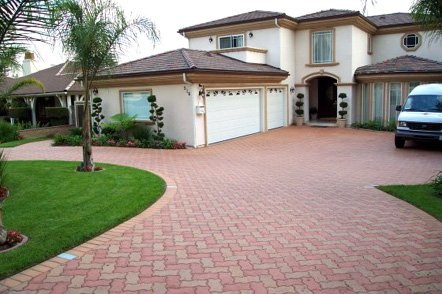
4 Questions to ask yourself when planting near Driveways, Patios and Walks

When it comes landscaping, most will agree that the functionality of a given outdoor space is just as important as its appearance. For this reason, it’s important to include specific areas like driveways, patios and walks that will be effective in providing space for a wide range of different requirements such as outside dining or getting from one end of the garden to the other.

Planting around such structures can be pretty challenging, even for the more experienced gardeners. Let’s take a look at 4 questions that you need to ask yourself when planting near walks, patios and driveways.

  1. How wide will your plants grow?

Although a path will look rather picturesque when lined with lovely shrubs and bushes, it takes some planning to choose plants that will not overgrow the path and make it difficult to walk on. Before purchasing shrubbery for your landscaping design project, ensure that your variations will not grow outrageously wide and need constant clipping.

  1. How high will your plants grow?

If plants grow higher than anticipated they may overgrow architectural features or end up obstructing the view. Before you plant trees anywhere near a path or a driveway, bear in mind that branches can hang low and get in the way.

  1. Will hanging branches cause issues?

Keep plants that have rigid branches or thorns away from areas where people or vehicles could get scratched. In this instance, beauty matters less than a practical approach.

  1. What if it snows?

If you live in an area that experiences heavy snowfall you’ll have to take this into consideration. Plant trees with big hanging branches away from driveways, patios and walkways as, should the branches snap due to the heavy weight of falling snow, it may just cause injury to someone or damage to vehicles etc.

Before taking your garden tools from the shed and lining your driveway with big shrubs and trees, you need to ask yourself each of the four questions that have been outlined above.


To find out more about the range of products we offer, from building materials and decorative stones to shingle & gravel and driveway materials, contact our team today on 01258 857465 or take a look at our special offers!

More general

1 Apr
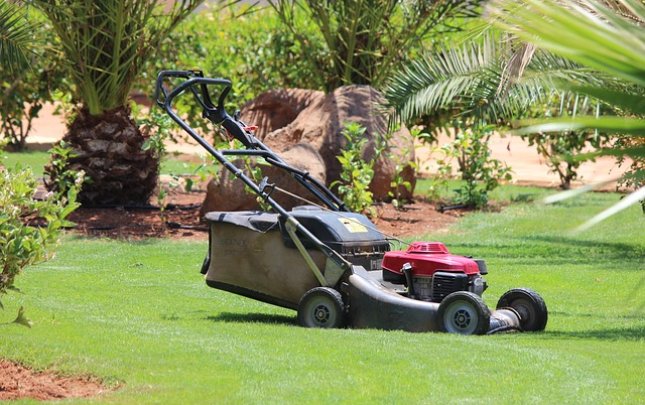
Exposing some of the most common Lawn Care Myths
There are common myths about almost every aspect of life and living, and lawn care is no exception. From grass clippings causing thatch to homeowners blaming their neighbours for their overgrown garden, let’s expose 3 of the most common lawn maintenance myths. If I don’t collect grass trimmings, my lawn will have a lot more hay. Verdict – False Whether you like it or not, hay is something that occurs naturally in all lawns. The frequency at which it’s found will largely depend on the amount of micro-organisms that are present in your soils composition. Generally speaking, if your soil is compacted, lacking in organic materials or if its PH level is off, it will cause an increase in the amount of hay in your lawn.  I can’t eliminate the weeds from my garden if my neighbour doesn’t attend to theirs. Verdict - False What many use as a common excuse, homeowners can get rid of the weeds from their gardens if they truly want to. The above statement is just a cop out and is used by homeowners to put off some gardening work that needs addressing. Follow your own lawn care routine and you won’t have time to worry about what your neighbour is doing with their lawn. I have a lawn care program so my lawn should always look great. Verdict – False Although you may have a lawn care program and follow it meticulously, it may not be enough to always have a lawn that looks great. Programs should be comprehensive and cover all sides of lawn care maintenance from pest control to killing weeds and providing nutrition to your plants. As summer is fast approaching and long, sunny evenings are on the horizon, you have to ask yourself if your lawn is ready for the months ahead. Ignore the myths that have just been exposed and pump your time and energy into the things that you know will work for effective lawn care. To find out more about the range of products we offer, from building materials and decorative stones to shingle & gravel and driveway materials, contact our team today on 01258 857465 or take a look at our special offers!
Read more

Most Recent Stories

21 Jan
How Much Sub-Base Do I Need for My Project?
Ever stood in your driveway with a tape measure, wondering if you're about to order way too much material or nowhere near enough? If the first question that comes to mind is “how much sub-base do I need?”, then hopefully this blog will have you covered. We're going to answer that question with a simple, reliable formula that takes the uncertainty out of ordering. And you can trust that we know what we’re talking about. At MB Wilkes, we've been supplying sub-base materials across the UK for over 60 years, offering both delivery and quarry collection so you can get exactly what you need, when you need it. Understanding Sub-Base and Its Uses Sub-base is the unsung hero of any solid construction project. It's the compacted foundation layer that sits beneath your finished surface, distributing weight evenly and preventing your driveway, patio, or pathway from cracking, sinking, or shifting over time. Skipping the use of sub-base materials can lead even the most beautifully laid paving to eventually fail. We recommend it for driveways, patios, garden paths, shed bases, and any foundation work where long-term stability matters, making it an essential first step in groundwork that simply can't be skipped. Common Types of Sub-Base Material When you're choosing between sub-base aggregates, the two main options you'll encounter are MOT Type 1 and MOT Type 3, each designed for different applications depending on the load requirements of your project. MOT Type 1 consists of crushed concrete or limestone, like our Type 1 Mendip, that's been carefully graded to create a dense, stable base when compacted. It's the workhorse of sub-base materials, ideal for driveways, heavy-duty patios, and any area that'll bear significant weight from vehicles or foot traffic. The angular particles lock together beautifully under compaction, creating a solid foundation that won't shift. MOT Type 3 (often called scalpings), such as Type 3 Limestone, is a finer material made up of smaller crushed stone and dust. While it still provides excellent compaction, it's typically used for lighter applications like footpaths, shed bases, or as a blinding layer over MOT Type 1. It's also brilliant for filling gaps and levelling surfaces before your final paving goes down. How Much Sub-Base Do You Need – The Simple Formula So, onto the question of “how much sub-base do I need for type 1?” The sub-base calculation couldn't be more straightforward. Take your area in square metres Multiply by your depth in millimetres divided by 1,000 Multiply that result by 2.2 to get the tonnes you'll need Equation: Area (m²) × Depth (mm ÷ 1,000) × 2.2 = Tonnes That 2.2 figure represents the density of compacted sub-base, converting your volume into actual weight for ordering purposes. Bear in mind that materials typically compress by 25–30% when a plate compactor is used. It is standard industry practice to add 5–10% extra to the final tonnage to account for uneven subgrades or spillage during the work. Alternatively, you might be asking “how much sub-base do I need for type 3?”. In short, the calculation remains the same, you simply adjust the density from 2.2 down to 1-8 – 2. Step-by-Step Calculation Example Let's work through how much sub-base you’ll need for a typical driveway measuring 20m² at 100mm depth. First, we calculate 20 × (100 ÷ 1,000) × 2.2, which gives us 20 × 0.1 × 2.2. That works out to 4.4 tonnes. Since our bulk bags typically hold around 850kg each, you'd need approximately seven bags to cover this area comfortably, allowing for a bit of overage during compaction and levelling and some wastage. Recommended Depths for Different Projects Understanding how much sub-base you need depends entirely on what you're building and the load it'll carry. Different applications require different foundation depths to perform properly over time. Driveways and Vehicle Access: Aim for a driveway sub-base depth of 150-200mm to support the weight of cars and regular traffic without settling or rutting. Patios and Footpaths: A patio sub-base depth of 75-100mm provides sufficient support for pedestrian use whilst keeping material costs reasonable. Shed Bases: Between 75-100mm works well for garden buildings and lighter structures that won't experience heavy loading. Heavy-Duty Applications: For commercial drives or areas with frequent heavy vehicle access, go for 200mm or more to ensure long-term durability. Ordering Your Sub-Base from MB Wilkes If you’re asking yourself, “how much sub-base do I need?” and you’re still unsure, we’ll be happy to advise you. Either way, ordering from us couldn't be easier. We offer bulk bag (850kg) deliveries for smaller residential projects like patios and paths, which are perfect when you need precise quantities and easy handling. For larger builds such as driveways or extensive groundwork, loose loads delivered by the tonne offer better value and faster coverage, letting you tackle substantial areas without constantly restocking materials. Our Sub-Base Material Options We stock a comprehensive range of sub-base materials to suit every application. Our MOT Type 1 limestone and crushed concrete options provide that rock-solid foundation for driveways and high-traffic areas, compacting down beautifully to create a level, stable base. For lighter projects, our MOT Type 3 scalpings offer excellent value while still delivering the compaction you need for paths and shed bases. Each material is quality-checked and ready to perform exactly as it should, giving you confidence in your groundwork from the very first layer. Delivery and Collection We deliver across our coverage area with flexible scheduling to match your project timeline. Minimum order quantities apply for delivery, so do give us a ring to discuss your specific requirements. If you're a trade customer or need materials immediately, you're welcome to collect directly from our quarry using our weighbridge service, which means you can load up and get straight back to site without waiting for delivery slots. Tips for Ordering the Right Amount Even with an accurate calculation, there are a few practical considerations that'll help you order the perfect quantity of sub-base aggregates for your project without ending up short or with too much leftover: Add 5-10% Extra: Compaction always uses more material than you'd expect, and uneven ground or small wastage during installation means a buffer ensures you won't run out mid-project. Round Up to Full Bags: If your driveway sub-base depth calculation gives you 4.4 tonnes, order five bags rather than four to account for variations in coverage. Consider Access: Tighter spots or areas with awkward levels might require more material for proper compaction, so factor in your site conditions. Account for Edging: Your patio sub-base depth extends slightly beyond the finished surface, so measure generously rather than cutting it fine. Get Your Sub-Base Delivered Today Now you've got the formula and know exactly what you need, it's time to get your project moving. Calculate your requirements, then give us a call on 01258 857465 or fill in our contact form to place your order. As one of the UK's leading suppliers with over 60 years of family-owned expertise, we deliver quality sub-base materials at competitive prices straight to your site. Order today and let's get your groundwork sorted.
Read more
13 Nov
How can soils and aggregates stop flooding?
If you're wondering how to stop garden flooding, whether you're a keen gardener or managing farmland, we've got a straightforward seven-step plan that works brilliantly. British weather can be unpredictable, and those heavy downpours are inevitable, but improving your soil structure makes all the difference. At MB Wilkes, we know a thing or two about soils and aggregates. Following these seven simple steps will help reduce flooding risks and keep your outdoor space in top condition, so you can focus on what matters most: enjoying your garden or growing successful crops year after year. 1. Minimise Tillage So, how does soil prevent floods? It all starts with tillage. When you minimise soil disturbance, you're helping it develop better structure and aggregation, which means it acts like a natural sponge during heavy rainfall. Well-structured soil absorbs and retains water brilliantly rather than letting it run off and cause flooding. Reduced tillage also preserves organic matter, which is fantastic for improving water-holding capacity and overall soil health. The more organic matter your soil contains, the more water it can store, keeping your garden or farmland protected during those inevitable British downpours. 2. Limit Farm Traffic If you're wondering how to stop a clay garden flooding, timing your farm traffic makes a real difference. Heavy machinery like tractors and combines compacts the soil, reducing pore space and making water infiltration much harder. Compacted soil behaves like a hard surface, increasing runoff during rainfall and worsening flooding risks. By limiting traffic to dry periods and avoiding movement when conditions are wet, you'll maintain better soil structure that absorbs water more effectively. It's a straightforward step that protects your soil's natural drainage capacity and keeps your land in better condition year-round. 3. Manage Drainage Proper drainage management is essential for preventing flooding in both rural and urban settings. A well-designed drainage system redirects water flow away from vulnerable areas that are prone to waterlogging, protecting your soil and plants from excess moisture. Whether you're managing a large farm or a residential garden, effective drainage prevents water from accumulating in problem spots and causing damage. By channelling water to appropriate areas, you maintain healthier soil conditions and reduce the risk of standing water that can harm crops, plants, and landscape features during periods of heavy rainfall. 4. Use Cover Crops, Green Manures and Mulches Knowing how to stop garden flooding often comes down to what you plant between your main crops. Cover crops, green manures, and mulches are brilliant for improving soil structure and reducing water runoff. As they decompose, they add valuable organic matter that helps soil absorb more water, preventing surface flooding during heavy rain. These protective layers also shield bare soil from rainfall impact, minimising crusting and allowing better water infiltration. Here's what they offer: Enhanced soil structure and water retention Reduced surface runoff and erosion Improved organic matter content Better water penetration during downpours 5. Use Grass Leys to Improve Organic Matter Grass leys (fields planted with grasses and legumes) are fantastic for enriching soil and great if you’re wondering how to stop garden flooding naturally. As these plants decompose, they add organic matter that creates better soil structure capable of holding more water during heavy rainfall. The extensive root networks they develop promote soil aggregation while reducing compaction, leading to improved water infiltration and storage. Well-structured soil equipped with this organic boost handles excess water far more effectively, significantly reducing surface flooding risks. It's a natural, sustainable approach that benefits both your soil health and flood prevention efforts. 6. Use Plants with Large Roots Another trick if you’re wondering how to prevent your garden from flooding is to use plants with large roots. Large roots create natural channels within the soil, improving structure by increasing pore space and reducing compaction. This enhanced structure allows better water infiltration, meaning your soil holds more water instead of letting it run off and cause flooding. Deep-rooted plants also absorb water from lower soil layers, preventing surface accumulation while helping recharge groundwater. During periods of heavy rainfall, these plants actively remove water from the surface, offering natural flood protection that works alongside the soil's improved drainage capacity. 7. Try Agroforestry Agroforestry combines trees or woody shrubs with crops or livestock on the same land, creating a sustainable system that's brilliant for those wondering how to stop garden flooding. The tree roots work similarly to large-rooted plants, creating channels that improve soil aggregation and increase water infiltration. These established root systems enhance soil structure while the trees themselves absorb significant amounts of water, which is particularly helpful during prolonged wet periods. It's an integrated approach that benefits your land in multiple ways, from improved drainage and reduced flooding risks to better soil health and increased biodiversity across your property. Bonus Tip On the subject of how to stop surface water flooding in problem areas, there’s one more step you can take, and that’s to use specific aggregates. Drainage aggregates like our Cerney Gravel, crushed rock (think Basalt Chippings), or porous materials like our Type 3 Limestone create pathways for water to infiltrate quickly, reducing surface runoff and standing water accumulation. We stock quality drainage materials that offer: Rapid water infiltration through porous structure Temporary storage during heavy rainfall Controlled, gradual water release Prevention of flash flooding and uncontrolled runoff These aggregates are a practical solution for gardens, driveways, and farmland prone to waterlogging.   Need Drainage Solutions? MB Wilkes Are Here to Help At MB Wilkes, we deliver quality drainage aggregates across Dorset. Whether you need bulk supplies for farmland or smaller quantities for your garden, no order is too big or too small for our family-run business. With over 60 years of experience and competitive prices, we make it easy to get exactly what you need, delivered straight to your site. Give us a call on 01258 857465 or complete our contact form if you have any questions or concerns.
Read more
29 Oct
Visit Our Product Display for Inspiration
Planning a garden project can feel overwhelming when you're trying to visualise how materials will look. That's why we at MB Wilkes created our display area at Henbury Quarry, near Wimborne, where you can see, touch, and experience our full range of decorative aggregates and landscaping materials in real-world settings. See Our Products in Action Walking through our display area gives you the chance to see how different aggregates, gravels, and decorative stones actually look when they're laid out properly. We've used our own products to create various garden features, pathway designs, and landscaping ideas that demonstrate the versatility and visual impact of quality materials. You'll find everything from subtle natural blue slate that’s perfect for Japanese-inspired gardens to bold decorative chippings, like our polar ice chippings, that create dramatic focal points, all arranged in ways that might just solve that tricky design problem you've been pondering. Take a seat on our benches, which are made from robust oak sleepers (another product we stock), and really take your time exploring the possibilities. There's no pressure here, just plenty of inspiration. Touch, Feel, and Compare Materials One of the biggest advantages of visiting our display area is being able to physically handle the materials before you buy. Photographs online can only tell you so much, but when you can run your hands through different grades of gravel, compare the colours of various decorative stones in natural daylight, and see how textures work together, you'll make much better choices for your project. We find that customers who visit our display area leave feeling more confident and excited about their plans, knowing exactly what they're getting and how it will complement their existing garden features or property style. From Inspiration to Installation Everything you see in our display area is available to purchase and take away with you immediately, which is brilliant if you're ready to crack on with your project straight away. We can also arrange delivery if you're ordering larger quantities or multiple products, saving you the hassle of transport and ensuring your materials arrive safely and on schedule. Our team is always on hand to discuss quantities, calculate what you'll need for your specific project, and provide practical advice based on our 60 years of experience as a family-owned quarry. Beyond our decorative range, we stock comprehensive materials for every stage of your landscaping or construction work: Amenity and landscaping materials for transforming outdoor spaces Sundries for all those miscellaneous items you’ll need on a job Sub-base products to ensure proper drainage and stability Primary sand and gravel for groundwork and concrete mixing Recycled aggregates offering cost-effective and environmentally conscious alternatives Whatever your project demands, we have the materials and expertise to support you from ground preparation right through to those finishing decorative touches. Explore More Before You Visit If you'd like to browse our full product range before visiting, take a look through our online shop, where you'll find detailed information about everything we stock. Our gallery showcases completed projects and different material applications, while our weighbridge section explains how we handle bulk orders for trade customers and larger residential projects. Ready to Get Started? Whether you're planning or ready to purchase, visiting our display area at Henbury Quarry is the perfect next step. For directions, opening times, or to discuss your project requirements, call the friendly team at MB Wilkes today on 01258 857465 or use our contact form. And while you’re here, explore our current special offers online too. { "@context": "https://schema.org", "@type": "BlogPosting", "mainEntityOfPage": { "@type": "WebPage", "@id": "https://www.mbwilkes.com/blog/article/visit-our-product-display-for-inspiration#/" }, "headline": "Visit Our Product Display for Inspiration", "description": "Planning a garden project can feel overwhelming when you're trying to visualise how materials will look. That's why we at MB Wilkes created our display area at Henbury Quarry, near Wimborne, where you can see, touch, and experience our full range of decorative aggregates and landscaping materials in real-world settings.", "image": "https://www.mbwilkes.com/files/thumbs/62a54fe7-7974-4d2d-9be6-80db654c88eb_w650_h400.jpg?1761736902", "author": { "@type": "Organization", "name": "MB Wilkes", "url": "https://www.mbwilkes.com/" }, "publisher": { "@type": "Organization", "name": "", "logo": { "@type": "ImageObject", "url": "" } }, "datePublished": "" }
Read more
Family-Owned BusinessFamily-run business supplying quality aggregates for over 60 years.
Family-Owned Business
Family-run business supplying quality aggregates for over 60 years.
Trusted Team of Experts Our expert team of trusted experts is ready to help with all your needs.
Trusted Team of Experts
Our expert team of trusted experts is ready to help with all your needs.
Fully Equipped Fleet We provide fast local delivery with tipper trucks and grab lorries.
Fully Equipped Fleet
We provide fast local delivery with tipper trucks and grab lorries.
Superb Range of Aggregates Small load aggregate collections available directly from our quarry.
Superb Range of Aggregates
Small load aggregate collections available directly from our quarry.

This site uses some unobtrusive cookies to store information on your computer. By using our site you accept our Terms And Conditions and Privacy Policy.

×